Layering Old-World Character Into Modern Homes: A Guide to Vintage-Inspired Decorative Objects
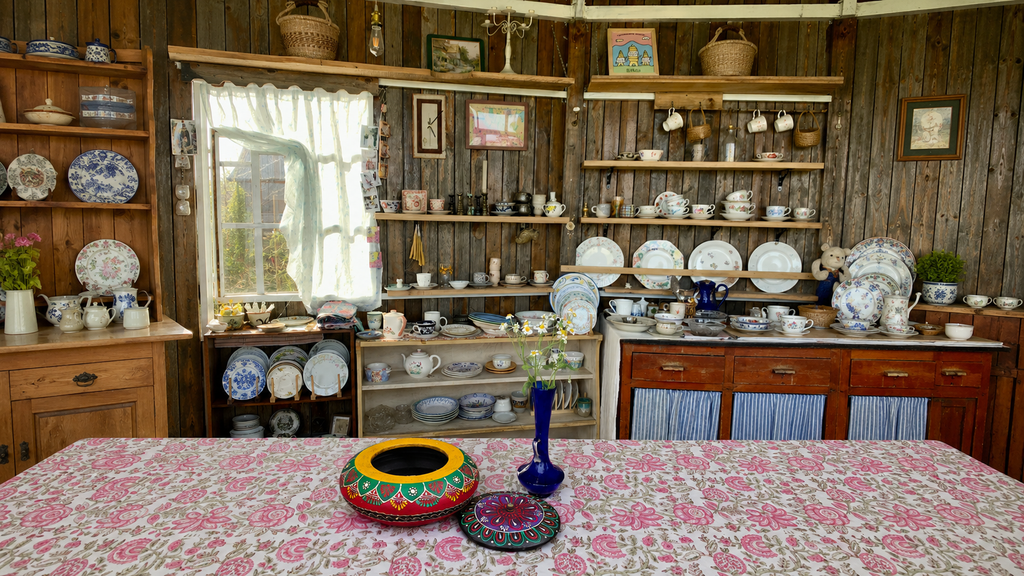
Layering Old-World Character Into Modern Homes
A guide to mixing vintage-inspired boxes, carved wood, painted surfaces, aged metal, decorative trays, and artisan objects with contemporary interiors—without making the space feel themed or overcrowded.

A modern room becomes more memorable when everything in it does not appear to have been designed at exactly the same moment.
Why old-world objects work so well beside modern furniture
Contemporary interiors often rely on clarity: clean furniture silhouettes, restrained palettes, open surfaces, simple lighting, and relatively quiet architectural forms. These qualities can create a calm foundation, but they can also make a room feel slightly impersonal when every object is equally polished and uniform.
Vintage-inspired decorative pieces introduce a different visual language. A painted wooden box may have irregular brushwork. A brass-accented tray can show depth and patina. A carved wooden bowl can bring grain and uneven texture. These characteristics interrupt perfect uniformity in a way that makes the room feel more layered.
The goal is not to transform a modern home into a historical interior. Instead, one or two character-rich objects can act as counterpoints to simpler surroundings.
Texture often matters more than age
An object does not need to be genuinely antique to contribute an old-world feeling. What matters visually is often the combination of texture, finish, proportion, and detail.
Distressed paint can create depth. Darkened metal can make a simple form feel more substantial. Visible wood grain brings warmth. Decorative motifs can introduce a sense of handwork that contrasts with mass-produced surfaces.
This means vintage-inspired pieces can be incorporated naturally even in a very new home. A clean marble table with a carved wooden bowl, a modern console with a hand-painted jewelry chest, or a minimal shelf with an aged metal object can feel balanced because the materials are deliberately different.
If a room already contains strong pattern, use vintage character through texture and material. If the room is very quiet, you can introduce a more decorative painted or metal-accented piece without overwhelming the space.

The most convincing rooms often contain objects that relate through mood and material instead of matching exactly.

Layer natural wood, painted surfaces, warm metal, ceramics, linen, glass, and books to create depth without relying on one decorative style.
Use character-rich objects where the eye naturally pauses
A decorative object has more impact when it sits in a place that already attracts attention. Coffee tables, consoles, mantels, bedside tables, open shelves, vanities, and dining tables naturally function as visual pause points within a room.
Rather than filling every available surface, choose a few locations and allow each object enough surrounding space to be noticed. A hand-painted box may need nothing more than a small lamp and a stack of books beside it. A wooden bowl can sit alone on a dining table. A brass-accented tray can organize several smaller objects without requiring additional decoration.
This approach prevents vintage-inspired pieces from turning into clutter. The object remains special because it is allowed to stand apart.
Choose vintage character based on what the room is missing
Add Natural Wood
Carved bowls, wooden trays, and boxes soften stone, glass, chrome, white walls, and other visually cool surfaces.
Add Painted Detail
A decorative painted box or patterned object can introduce color and story without requiring new furniture or large artwork.
Add Aged Metal
Brass-tone, iron, or patinated surfaces create contrast with crisp contemporary materials and help a room feel more collected.
You do not need a vintage color palette to use vintage-inspired objects
Warm brown, rust, deep green, muted red, ochre, antique brass, and aged cream naturally support an old-world feeling, but vintage-inspired pieces can also work in interiors dominated by white, gray, black, pale oak, or contemporary neutral tones.
The key is to think of the object as an accent rather than as the beginning of an entirely new color scheme. A colorful painted jewelry box on a pale oak dresser can become the one concentrated moment of pattern in the room. An aged brass detail beside black furniture can add warmth without changing the palette.
Repeating one color from the decorative object somewhere else—a book spine, cushion, ceramic piece, artwork, or flower arrangement—can help it feel integrated without making the room overly coordinated.
How vintage-inspired pieces behave in different interiors
Use fewer pieces, but choose objects with strong material presence. A single carved bowl or aged box can be more effective than several small decorative accessories.
Combine wood, linen, stone, ceramics, and softly aged surfaces. Avoid overly glossy finishes so the materials feel naturally connected.
Mix painted wood, metal, books, art, textiles, and objects from different periods. Keep one or two repeated colors or materials to create visual continuity.
Use vintage-inspired storage boxes, trays, and decorative metalware as natural extensions of classic furniture, framed art, warm wood, and layered textiles.
Contrast aged details with polished stone, glass, dark wood, or refined upholstery. One handcrafted-looking object prevents the room from feeling overly formal.
Think in groups of different heights, not sets of matching pieces
When several decorative objects occupy the same surface, variation in height makes the arrangement easier to read. A low wooden tray can create a base, a medium painted box can provide structure, and a taller candleholder, branch, or vase can provide vertical movement.
This works better than placing several objects of almost identical height next to one another. The eye moves naturally between different levels, making the group feel more relaxed.
Matching is less important than proportion. A collection can include different materials and colors if the scale of each object feels considered.
Allow empty space to become part of the composition.
A character-rich object becomes more important when it is not surrounded by too many competing accessories.
The strongest decorative pieces often have a practical role
One of the easiest ways to introduce vintage-inspired objects without creating unnecessary clutter is to choose pieces that already solve a practical need.
A decorative wooden box can organize jewelry or keepsakes. A brass-accented tray can gather daily essentials. A carved bowl can hold fruit, wrapped snacks, keys, or decorative objects. A tabletop organizer can keep cosmetics or stationery contained.
When the piece has a job, it earns its place in the room. This allows the interior to feel visually rich without filling it with objects that exist only for display.
Six ways to keep the look refined
Vintage character is most effective when it appears intentional rather than excessive.
Choose one focal piece first
Start with the object that has the strongest shape, pattern, or surface and build the smaller arrangement around it.
Mix polished and imperfect
An aged tray beside smooth glass or a painted box on clean stone creates more depth than using only distressed materials.
Repeat materials lightly
One brass object can connect with a lamp fitting or frame. One wooden piece can echo a nearby furniture tone without matching exactly.
Keep some surfaces quiet
Not every table, shelf, and corner needs decoration. Empty areas help richly detailed pieces feel intentional.
Use scale deliberately
A large bowl or tray often looks more sophisticated than several undersized accessories scattered across a wide surface.
Let variation show
Natural grain, brushwork, patina, and distressed marks are part of the visual language. They do not need to be concealed.
Why collected interiors age better than trend-driven ones
Rooms built entirely around a single trend can begin to feel dated as soon as that aesthetic changes. Collected interiors are more flexible because they already contain different periods, materials, influences, and levels of formality.
A hand-painted box does not need to match the sofa. A carved wooden bowl does not need to belong to the same design collection as the dining table. These objects can move between rooms and continue to work as the surrounding furniture changes.
This flexibility is especially valuable for decorative objects. The most enduring pieces are often those that can be restyled rather than replaced.
Caring for Character-Rich Materials
Vintage-inspired finishes often look intentionally aged, but they still benefit from thoughtful care. Dust wooden and painted objects with a soft dry cloth and avoid abrasive cleaning products.
Keep decorative wood away from prolonged standing water and extreme humidity. Hand-painted surfaces should be cleaned gently to help preserve color and surface detail.
Metal accents may gradually develop additional patina depending on material and environment. For many vintage-inspired pieces, subtle aging can enhance rather than reduce their visual character.
Always follow the care guidance for the individual product, particularly when a piece is used around food, incense, candles, moisture, or heat.
A home feels personal when its objects do not all tell the same story
Modern furniture can provide structure. Natural textiles bring softness. Art adds point of view. Vintage-inspired decorative objects add another dimension: the impression of age, handwork, travel, memory, or discovery.
That does not require filling every room with ornate objects. Often one painted storage box, one carved bowl, or one aged metal tray is enough to change the way a surface feels.
The purpose is not to recreate the past. It is to give the present a little more depth.
Let the room feel gathered over time.
At Maple Vale Goods, we are drawn to pieces that create this kind of layered interior—objects with natural materials, decorative craftsmanship, useful forms, and enough individuality to remain interesting long after a trend has passed.
Mix them slowly, leave space around them, and allow the differences between old-world character and modern simplicity to become part of the design.